







Why Tyro’s EFTPOS Machines Are Perfect for Streamlining Hotel Payments and Reservations
General

When payments go down during peak season, revenue follows. For retailers heading into Christmas, Boxing Day and New Year sales, a reliable payments provider can be the difference between a record day and a write‑off.
It is Boxing Day morning, and the store is wall‑to‑wall with customers. Targets are in sight; the queue is out the door and then the payment terminal freezes
Phones come out, someone asks about cash, staff reboot the terminal once, twice, three times. Twenty minutes later, it’s back, but a handful of customers have already walked, and the rush has lost its rhythm.
For most Australian retailers, that scene isn’t far‑fetched as digital payments are on the rapid rise which means that, when the EFTPOS terminal goes down, so does your ability to trade.
Black Friday and Cyber Monday just wrapped up, and Australians are spending big across both online and in‑store. In 2024, shoppers spent around A$2.2 billion online over the sales period (up roughly 10% year on year) and A$2.9 billion in‑store (up around 5%). Online is growing faster, but physical stores are still taking the bigger slice of spend.
And peak season isn’t over. Christmas, Boxing Day, and New Year clearances are where many retailers make their sales. Last Christmas, Australians planned to spend about A$783 each on average, with around two‑thirds using debit cards and nearly half using credit cards. When payment systems fail, “cash only” is no longer a realistic backup.

Outages aren’t just an inconvenience they are expensive. Research shows around a quarter of organisations in Australia and New Zealand experience high‑impact outages every week, and nearly a third estimate the cost between A$1-3 million per hour in lost revenue.
Even on a smaller scale, the numbers sting. If your store processes A$200 every 10 minutes on a busy Saturday, 30 minutes of downtime means roughly A$600 gone – just from that half hour. Multiply that across Christmas week and you’re looking at thousands in lost takings, plus the flow‑on effects.
Payment failures don’t just hit today’s sales, they chip away at loyalty. Studies indicate that close to two‑thirds of customers will abandon a retailer after a poor experience, and more than four in five say reliability is the number one factor in whether they trust a brand.
Word spreads fast. A terminal failure at 11am can be in a local Facebook group by lunchtime. Even once your systems are back online, it can take hours to clear the backlog and get back into a steady trading rhythm. Those lost transactions don’t come back and many of those customers simply walk to a competitor.
Most payment setups cope fine on a quiet Tuesday. Christmas week is different.
Common stress points include:
Volume spikes: Transaction volumes can jump three to five times during peak hours, overwhelming systems that were only designed for average load.
Technical issues: Server outages, internet instability and software bugs that seem like minor issues mid‑week become critical when there’s a queue at the counter.
Security pressure: Criminals favour peak periods, and precautionary controls or third‑party failures can slow or stop payments.
Poor timing on maintenance: Overnight updates that run long can wipe out the most valuable hours of trade.
Without the right infrastructure and contingency planning, even small incidents can cascade into major disruption.
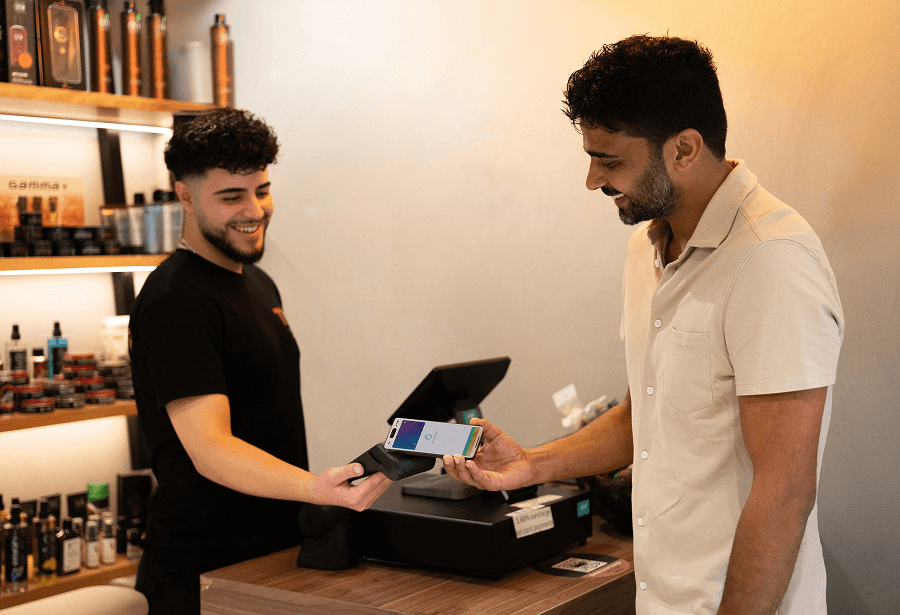
To protect peak‑season revenue, retailers need more than just a terminal, they need a payments setup built for stress. Key requirements include:
Proven payment acceptance availability: 99.9% or higher. Infrastructure built for reliability.
Backup connectivity: Wi-Fi and mobile backup. If one network fails, the other takes over.
Local support: Access to Australian‑based support teams who understand local trading patterns and public holidays and can move quickly when it matters.
Built-in headroom: Your payments infrastructure shouldn’t be running at its absolute limit during your busiest hours. There should always be headroom for unexpected spikes in demand.
Proactive monitoring: Tools and teams that spot issues early, keeping interruptions brief rather than letting them grow into full outages.
These basics turn what could have been a lost day into a brief glitch most customers barely notice.
Retailers are heading into this festive season with more optimism, with many expecting stronger sales growth compared to last year. At the same time, higher costs and tighter margins mean every trading hour counts.
You have stocked up, staffed up and invested in marketing. Your payment system is the final link in the chain between customer intent and revenue. When Boxing Day arrives and shoppers are lined up at the counter, that’s when you discover whether your payments setup is really ready.
Tyro’s payments platform is built to support Australian businesses through their busiest periods, with:
Almost 90% of customers who switched to Tyro say it made the process easy. ^
Reliable payments that keep your business running during peak season.
Australian-based 24/7 support

Complete in under 2mins
For us to find the best solution for you, please answer a few quick questions, and have the following details handy:

 Get the help you need