
The Complete Guide to EFTPOS for Australian Businesses
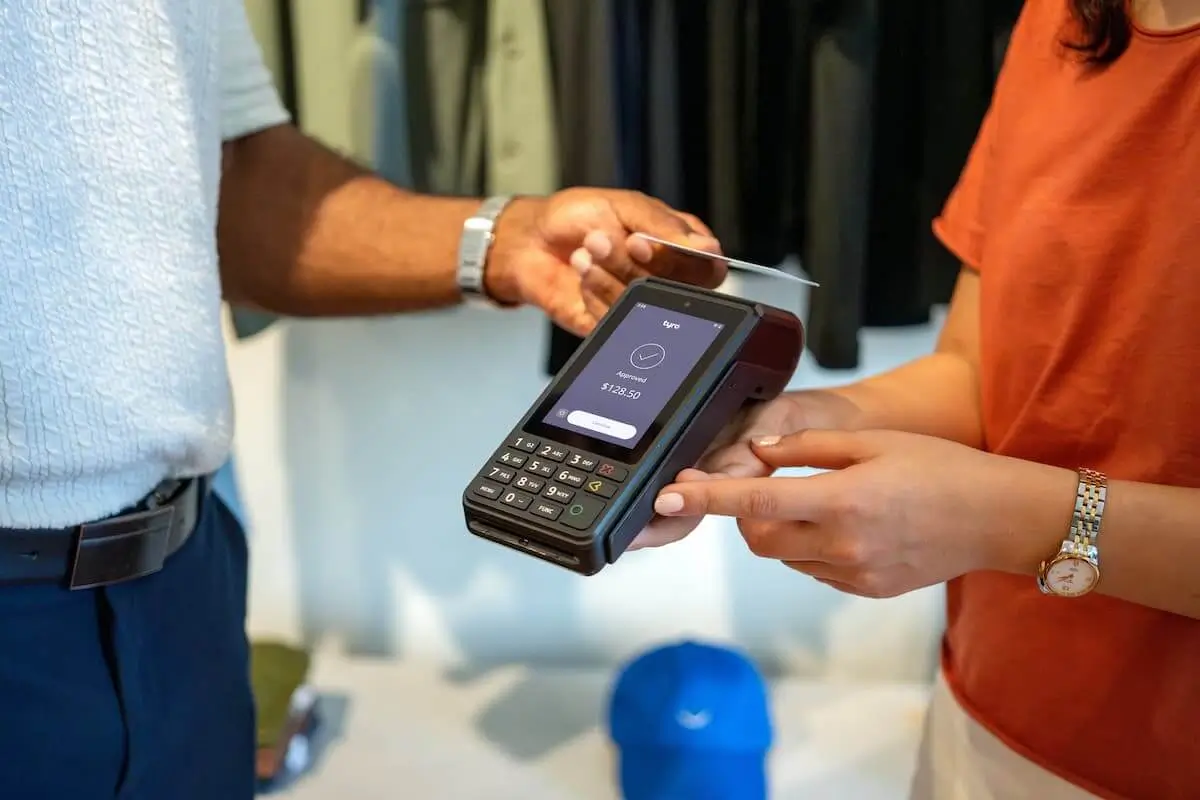
EFTPOS (Electronic Funds Transfer at Point of Sale) is a payment system that allows businesses to accept electronic payments in person using a card, smartphone, or digital wallet. It connects the customer, their bank, and the business to process transactions and transfer funds electronically at the point of sale.
EFTPOS is used by businesses across Australia every day, but many merchants don’t fully understand what happens behind the scenes when a customer taps, inserts, or swipes their card. Understanding how EFTPOS works helps businesses make better decisions about costs, setup, and customer experience.
In this guide, we’ll explain what EFTPOS means, how transactions work, the benefits and disadvantages for businesses, and what to look for when choosing a provider 1.
What is EFTPOS?
EFTPOS is an electronic payment system that enables businesses to accept card and contactless payments at the point of sale.
It connects:
- The customer’s bank account,
- The merchant’s business account, and
- A payment network (such as eftpos, Visa, or Mastercard)
When a payment is made, funds are transferred electronically between accounts, removing the need for cash and enabling fast, secure transactions.
In simple terms, EFTPOS:
- Transfers money electronically between accounts.
- Is used for in-person and mobile payments.
- Works via cards and digital wallets like Apple Pay and Google Pay.
What does EFTPOS stand for?
EFTPOS stands for Electronic Funds Transfer at Point of Sale.
It describes the process of transferring funds electronically from a customer’s bank account to a business during a transaction.
Why EFTPOS is important for modern businesses?
Australia has seen a major shift away from cash, with customers expecting fast, seamless payment experiences.
EFTPOS can support:
- Faster checkout times in retail.
- Efficient service during peak periods in hospitality.
- Flexible payment options for mobile and service-based businesses.
For most businesses, EFTPOS is now a core part of day-to-day operations, not just a convenience.
How does EFTPOS work? (Step-by-step)
EFTPOS transaction are typically processed in seconds, but several steps take place behind the scenes:
- Customer initiates payment
The customer taps, inserts, or swipes their card (or uses a mobile wallet). - Terminal captures payment details
The EFTPOS machine reads the card or device information. - Data is encrypted
Payment details are securely encrypted before being sent. - Transaction sent to payment network
The request is routed via eftpos, Visa, Mastercard or American Express networks. - Issuing bank approves or declines
The customer’s bank checks for sufficient funds and authorises the payment. - Response returned to terminal
Approval or decline is displayed within seconds. - Funds are settled to the merchant’s account
The payment is transferred to the business account, typically within 1–2 business days depending on your selected bank.
Behind the scenes of an EFTPOS transaction
Several key players are involved:
- Issuing bank – the customer’s bank.
- Acquiring bank/provider – the merchant’s payment provider.
- Payment networks – EFTPOS, Visa, Mastercard or American Express.
These systems communicate in real time to validate, approve, and complete transactions securely.
Types of EFTPOS payments
EFTPOS supports a range of payment methods, giving customers flexibility while helping businesses accept payments seamlessly.
What is a debit card?
A debit card is linked directly to a customer’s bank account.
- Payments are taken from available funds.
- Transactions are typically processed in seconds.
- Common for everyday purchases.
What is a credit card?
A credit card allows customers to borrow money from a financial institution to make purchases.
- Payments are billed later.
- May include interest or fees for the customer.
- Often used for larger or planned purchases.
Debit card vs credit card
The key differences between debit and credit card payments include:
- Source of funds:
Debit = bank account | Credit = borrowed funds.
- Fees for businesses:
According to the Reserve Bank of Australia (RBA), Debit card transactions often have lower merchant fees than credit card transactions 2.
Contactless (tap and go) payments
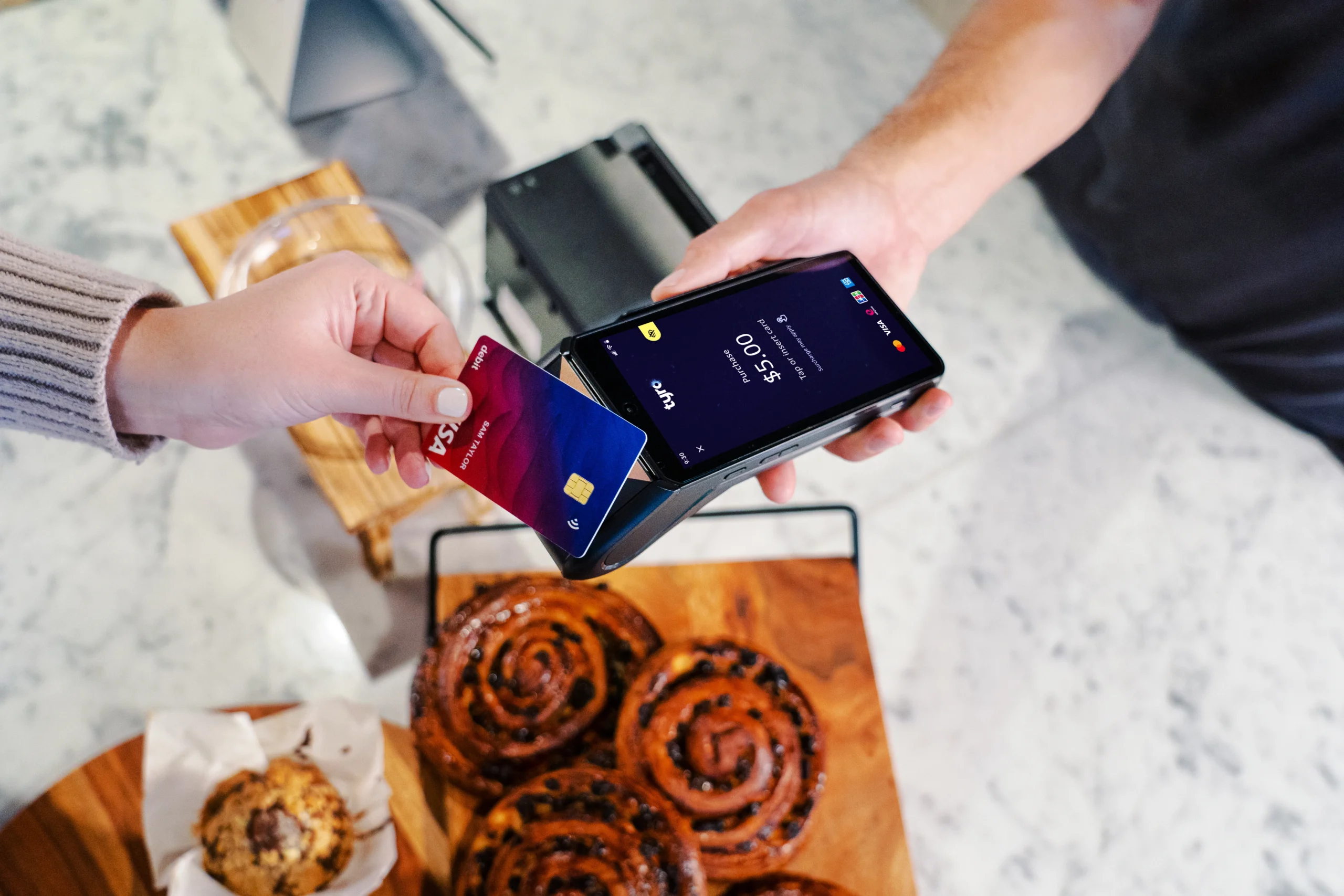
Contactless payments allow customers to simply tap their card or device on the terminal.
This includes:
- Physical cards
- Apple Pay.
- Google Pay.
- Samsung Pay.
Benefits may include:
- Faster transactions.
- Reduced queues.
- Improved hygiene and convenience.
Advantages and disadvantages of EFTPOS
For businesses evaluating payment systems, it’s important to weigh both the benefits and limitations.
Benefits of EFTPOS for businesses
EFTPOS offers several practical advantages:
- Faster transactions
Can help speed up checkout and improves customer flow.
- Improved customer experience
Supports preferred payment methods like contactless.
- Reduced cash handling
Can help reduce the risk of theft and human error.
- Better reporting and tracking
Digital records make reconciliation easier.
Disadvantages of EFTPOS
There are also considerations to be aware of:
- Transaction fees
Costs vary depending on provider and card type.
- Hardware and setup costs
Terminals and integration may require upfront investment.
- Reliance on connectivity
Requires internet or network access to process payments.
- Settlement delays
Funds are not always received instantly.
What is an EFTPOS machine?
An EFTPOS machine is the physical device used to process card payments.
It:
- Reads cards or digital wallets
- Connects to payment networks
- Processes transactions securely
These machines are essential for accepting in-person payments and are commonly found at checkout counters, tables, or on the go.
Types of EFTPOS machines?
Different business types require different setups:
- Countertop terminals
Fixed devices used in retail environments.
- Portable terminals
Ideal for hospitality and table service.
- Mobile EFTPOS machines
Designed for trades, events, and on-the-go businesses.
EFTPOS vs POS: What’s the difference?
A common misconception is that EFTPOS and POS are the same, but they serve different roles.
|
EFTPOS |
POS System |
|
|
Primary Function |
Processes Payments |
Manages the Full Sales Process |
|
Core Role |
Transaction Handling |
Business Operations and Sales Management |
|
What it Does |
Accept Card & Contactless Payments |
Tracks Sales, Inventory, and Customer Data |
|
Data Handled |
Payment Details |
Sales, products, customers, and reporting |
|
Hardware |
EFTPOS Terminal or Card reader |
POS Terminal, Software, and Peripherals |
|
Integration |
Can Connect to POS Systems |
Often Integrates with EFTPOS for Payments |
|
Use Case |
Completing a Transaction |
Running the Entire Checkout and Business System |
In simple terms:
EFTPOS is responsible for taking payments, while a POS system manages the entire sales and business process.
How EFTPOS integrates with POS systems
When integrated with a POS system, the payment amount is automatically sent from the POS directly to the terminal, removing the need for manual entry. This can create a more seamless checkout experience, which can help speed up transactions, reduce manual entry errors, and improve reporting accuracy.
EFTPOS fees, costs & settlement explained
EFTPOS comes with several cost considerations that can vary depending on the provider and setup. These typically include transaction fees charged per payment, merchant service fees for processing card payments, and any terminal or hardware costs required to accept payments. Understanding how these costs are structured is important when comparing providers and choosing the right solution for your business.
What effects EFTPOS costs?
Costs can vary depending on:
- Transaction volume.
- Card type (debit vs credit).
- Pricing model of the provider.
- Industry and business size.
Understanding these variables can help businesses choose a solution that aligns with their needs.
Is EFTPOS secure?
Security is a core component of EFTPOS systems. Businesses handle sensitive payment data, so strong protections are an important consideration.
How EFTPOS protects payment data
EFTPOS systems use multiple layers of security to protect sensitive payment information. This includes encryption to secure data during transmission, the use of trusted payment networks to process transactions safely, and the avoidance of storing sensitive card details on the terminal. Payment providers that handle cardholder data may also be subject to security standards such as PCI, which set requirements for protecting payment account data.
Choosing the right EFTPOS provider
Once you understand how EFTPOS works, the next step is choosing the right provider.
Key considerations include:
- Transparent pricing and fees.
- Reliability and uptime.
- Integration with your POS system.
- Customer support and local expertise.
- Flexibility for your business type.
The right provider should support your day-to-day operations while helping your business grow.
Conclusion
EFTPOS plays a central role in modern commerce, enabling businesses to accept fast, secure electronic payments.
By understanding:
- What EFTPOS is
- How transactions work
- The benefits and potential limitations
…businesses can make more informed decisions about their payment systems.
As customer expectations continue to evolve, choosing the right EFTPOS solution isn’t just about processing payments, it’s about supporting long-term growth and delivering better customer experiences.
Choosing the right EFTPOS solution can make a big difference to how your business operates day to day. Whether you’re setting up for the first time or looking to switch providers, it’s worth finding a solution that fits your needs 3.
Ready to get started with EFTPOS?
Get in touch with our team to explore EFTPOS options tailored to your business.
 Get the help you need